Dialysis in Tehran
One of the best dialysis and hemodialysis centers in Tehran
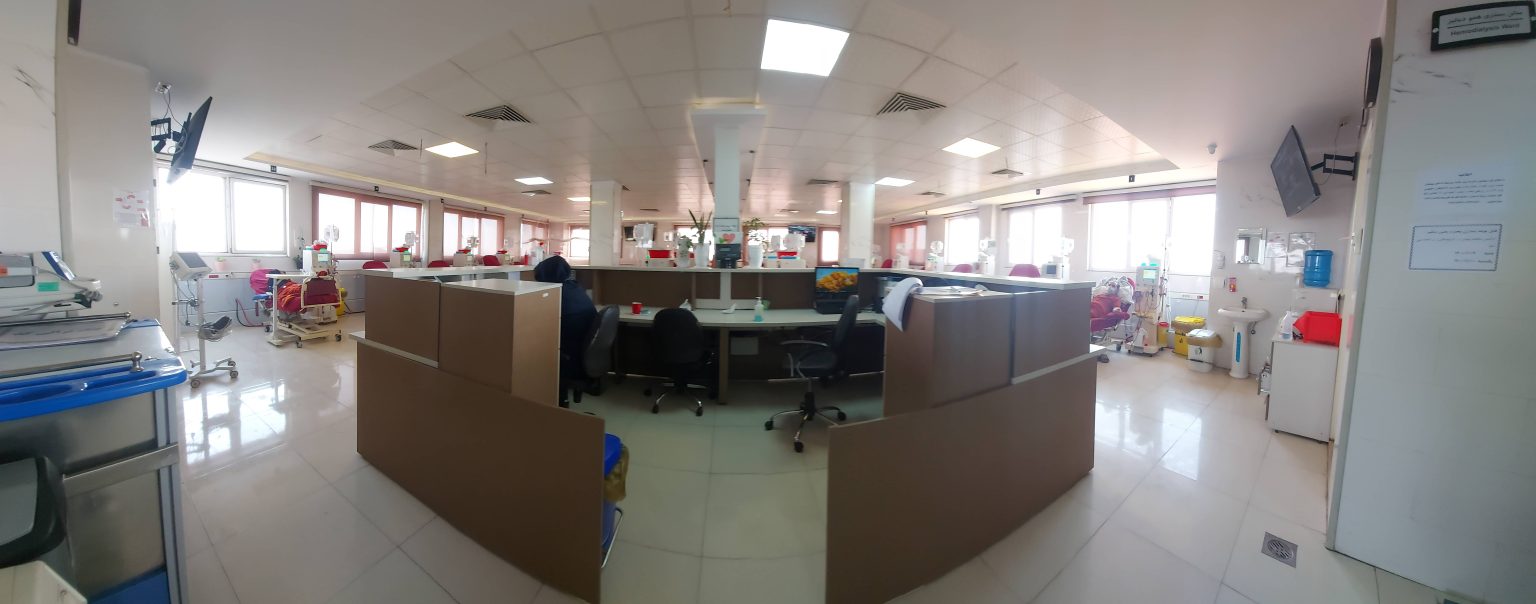
One of the best dialysis in Tehran centers is Mooud Specialized Center. We are pleased to inform you that our dialysis machines are new and efficient, ensuring a better quality of life and increased life expectancy for patients. The dialysis process is carried out with utmost precision and care.
This Dialysis in Tehran center is equipped with the latest devices and an experienced, professional staff. We warmly welcome patients, especially those in the eastern region of Tehran province. All services, including essential tests (monthly, every three months, and every six months), consultations with nephrologists, and free access to prescribed medicines, are provided at no cost.
Additionally, this specialized center features a dedicated clinic, allowing patients to quickly and easily consult with other specialists when needed.
Contact and appointment phone number:


What is a dialysis and hemodialysis center, and what is the dialysis process?
Mooud Specialized Hemodialysis Center, located in Khavarshahr town in Tehran, is ready to provide high-quality services to its valued clients.
What are the characteristics of a suitable dialysis and hemodialysis center?
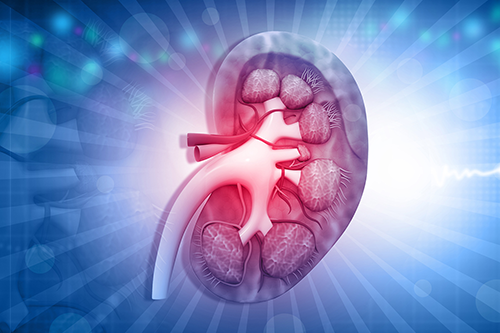
Each organ in the body has a specific role. The primary function of the kidneys is to purify the blood and remove waste materials. The kidneys send all excess substances and waste to the bladder, which eliminates them from the body through urination.
When the kidneys fail and cannot perform this function effectively, dialysis compensates for their inability. Kidney failure occurs when the kidneys operate at only 10–15% of their normal capacity.
Dialysis is a treatment for kidney diseases that has been practiced by specialists for decades. This method removes waste, excess salts, and fluids from the body, purifying the blood in the process.If you’re looking for dialysis in Tehran, Mooud Specialized Center provides high-quality services.
To achieve this, a device is typically used to clean the blood. This service is available at Mooud Dialysis Center. Dialysis enables the removal of waste materials and excess fluids, which are then excreted from the body in the form of urine.
Kidney Function
When a person’s kidneys do not function properly, kidney failure may occur. In such cases, the kidneys lose their ability to purify the blood. This can result in the accumulation of harmful substances and excess fluids in the body.
If left untreated, this condition can lead to severe complications and, in some cases, death. Dialysis offers a solution to this problem by purifying the blood and removing harmful substances. It is a vital treatment method provided at dialysis centers to ensure patient health and well-being.
When Should a Patient Go to a Dialysis Center?
Patients should visit a dialysis center when kidney disease becomes severe and chronic. This usually occurs when kidney function declines significantly, with the glomerular filtration rate (GFR) falling below 15 mL/min. At this stage, the kidneys lose 85–90% of their normal function, which leads to end-stage renal disease (ESRD).

What Do the Kidneys Normally Do?
The kidneys perform several critical functions in the body, including:
• Regulating body fluids.
• Stabilizing blood pressure.
• Controlling red blood cell production.
• Balancing calcium and minerals in the body.
• Removing waste products through urination.
When the kidneys fail, these functions are disrupted, causing severe health complications like:
• Kidney stones.
• Kidney inflammation.
• Urinary tract infections.
• High blood pressure.
Essential Vitamins for Kidney Health
While dialysis helps compensate for kidney function, maintaining a healthy diet rich in essential vitamins can help improve overall kidney health. Below are key vitamins and their benefits:
1. Vitamin B12 (Cobalamin):
• Helps produce red blood cells, which deliver oxygen and nutrients to the kidneys.
• Repairs damage caused by free radicals.
• Maintains bone marrow health and prevents anemia.
• Found in: Liver, fish, eggs, duck meat, hard cheeses, and condensed milk.
2. Vitamin C:
• Strengthens the immune system and protects the kidneys from damage.
• Reduces protein levels in urine and aids iron absorption.
• Found in: Guava, strawberries, tomatoes, blackberries, cranberries, blueberries, cherries, green peppers, oranges, and spinach.
3. Vitamin D:
• Improves kidney function and helps eliminate waste and toxins.
• Reduces the risk of kidney disease and supports calcium absorption.
• Found in: Fortified margarine, eggs, fortified cereals, yogurt, orange juice, and mushrooms.
4. Vitamin E:
• Protects the kidneys against free radical damage and reduces kidney inflammation.
• Supports healing of damaged kidney tissues and reduces oxidative stress.
• Found in: Mango, broccoli, corn oil, peanut butter, almonds, tomatoes, spinach, and wheat germ oil.

The Purpose of Dialysis
Dialysis is a medical treatment that removes waste, toxins, and excess fluids from the blood when the kidneys can no longer perform these functions. First introduced in the 1940s, dialysis has since become a life-saving solution for managing kidney failure.
How Blood Dialysis Works
When the kidneys fail, dialysis ensures the body maintains balance by performing the following tasks:
1. Eliminating waste materials, salts, and excess fluids to prevent harmful accumulation.
2. Balancing electrolytes (such as sodium and potassium) to maintain normal body function.
3. Removing toxins that can negatively impact the patient’s health.
It keeps the levels of certain chemicals in the body, such as sodium, potassium, and bicarbonate, balanced and suitable.
It also helps regulate blood pressure in patients.
Are kidney diseases permanent?
Sometimes, kidney failure is permanent, and the patient will require ongoing dialysis at a dialysis center. However, in some cases, this is not the situation. With consistent treatment, recovery can occur, and dialysis may only be needed for a limited time.
Once the patient’s kidneys recover, dialysis can be stopped. However, if the kidney disease is severe and chronic, there may be no improvement in kidney function. In such cases, the patient must continue dialysis for the rest of their life.
How is kidney dialysis performed?
To begin dialysis, a specialist doctor must first access the patient’s blood vessels at the dialysis center.
• If dialysis is only required for a short period, a narrow tube called a catheter is used. Typically, the catheter is placed in a large vein in the chest, neck, or leg.
• If long-term dialysis is necessary, a more stable and permanent method is used. The doctor connects an artificial tube between an artery and a vein to create access to the blood vessels.
When dialysis is needed, a needle is inserted into this area to access the blood. During each dialysis session, the patient’s blood is removed through this needle, filtered and cleaned, and then returned to the body.
How long should dialysis continue?
The duration of dialysis depends on the type and severity of kidney disease. If the condition is temporary, dialysis may only be needed until the kidneys recover. However, in most cases, kidney failure is severe, and the patient requires a kidney transplant. Unfortunately, suitable conditions for a transplant are not always available, and patients may need to wait until a compatible kidney donor is found.
During this waiting period, the patient will rely on dialysis. If the patient’s physical condition or health does not allow for a kidney transplant, they may need dialysis for the rest of their life.
Living with dialysis
Many people live fulfilling lives while undergoing dialysis. They can drive, work, study, exercise, and enjoy recreational activities, such as vacations. While dialysis allows patients to lead active lives, it cannot replace all kidney functions.
When the kidneys fail to perform their role in the body properly, the patient’s health may be at risk, particularly for the elderly or those with underlying conditions who do not receive a transplant in time.
Hemodialysis and Peritoneal Dialysis: Two Types of Kidney Dialysis
Blood Dialysis or Hemodialysis:
What is Hemodialysis?
Hemodialysis is the most common method for treating advanced and permanent kidney failure. Healthy kidneys maintain blood cleanliness by removing excess fluids, minerals, and waste materials. They also produce hormones that strengthen bones and help in blood production.
When the kidneys fail, harmful waste materials and fluids build up in the body, blood pressure may rise, and red blood cell production decreases. Hemodialysis was first used in the 1960s as an effective treatment for kidney failure. Over time, advancements have made this treatment more efficient with fewer side effects.
In recent years, dialysis machines have become smaller, portable, and easier to use, making them more appealing to patients. However, even with modern technology, hemodialysis remains a complex treatment that requires a coordinated healthcare team. This team includes a nephrologist (kidney specialist), dialysis nurse, dialysis technician, nutritionist, and social worker. Additionally, the cooperation of the patient and their family is essential.

How Does Hemodialysis Work?
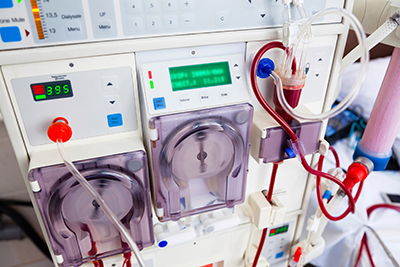
Hemodialysis is a process where blood is removed from the body of a patient with kidney failure, filtered through a dialysis machine, and returned to the body. The dialysis machine, also known as an artificial kidney, removes waste materials and excess fluids from the blood while adding necessary substances. This procedure helps regulate the body’s acid-base balance, water levels, and electrolytes such as potassium and sodium.
During hemodialysis, blood is gradually removed from the body, passed through a special filter that separates waste materials and extra fluids, and then returned to the body. This process helps control blood pressure and maintain the balance of essential chemicals like potassium and sodium.
Peritoneal Dialysis:
In peritoneal dialysis, the patient’s blood is purified inside their body. A special fluid is introduced into the abdominal cavity, where it absorbs waste materials from the blood through the surrounding veins. Once the waste materials are absorbed, the fluid is drained from the body.
This method of dialysis is simpler than hemodialysis and can be done independently at home, without the need for assistance or frequent visits to a dialysis center.
Necessary Preparations Before Treatment Sessions
Before the first dialysis session at a center, the attending physician will insert a narrow tube or device to provide easy access to your bloodstream. This is a minor surgical procedure, and you should be able to return home the same day. If you feel that you may not be able to return home alone, it is advisable to have someone accompany you.
During treatment sessions, wear comfortable clothing. Follow your doctor’s instructions carefully, which may include fasting before each session.
Dialysis at Home
Dialysis can also be performed at home. For hemodialysis at home, it is necessary to have someone assist you. Interestingly, both types of dialysis—hemodialysis and peritoneal dialysis—can be done at home with proper preparation and guidance.
You can perform peritoneal dialysis on your own and may not need assistance from others. However, for hemodialysis at home, you will need the help of another person, such as a spouse, friend, or family member. Hiring a nurse is also a viable option. Your physician will provide a full explanation and necessary training for performing both types of dialysis at home.
Number of Dialysis Sessions
The number of dialysis sessions depends on the severity of the patient’s condition. Typically, dialysis is performed three times a week in medical centers, with each session lasting about three to four hours. Home dialysis sessions can also be done three times a week or daily. These sessions are usually shorter, lasting about two to three hours, making them more manageable for patients.
How Long Can Patients Live with Hemodialysis?
For patients with severe kidney failure, dialysis is necessary for the rest of their lives unless they undergo a kidney transplant. The life expectancy of dialysis patients depends on their overall health and adherence to treatment. On average, patients live 5 to 10 years after starting dialysis, but many live comfortably for 20 to 30 years with proper care and treatment. Patients should consult their specialist for advice on maintaining their health during dialysis and follow the recommendations carefully.
How Long Can Patients Live Without Dialysis?
If a patient stops dialysis, survival time varies depending on their health and kidney function. Patients who discontinue dialysis might live for a week to several weeks. However, this depends entirely on the patient’s condition. It is essential to follow the doctor’s advice and continue dialysis sessions as recommended to avoid life-threatening complications.
Can Dialysis Be Stopped Permanently?
If dialysis is discontinued, waste materials and excess fluids will accumulate in the body, endangering the patient’s life. In many cases, once dialysis begins, it is critical for survival. If a kidney transplant is performed successfully or the patient’s condition improves significantly, they may stop dialysis with the approval of their doctor.
 What Happens If a Patient Misses Dialysis Sessions?
Missing one or more dialysis sessions can be dangerous. Dialysis is necessary to filter and purify the patient’s blood. Missing sessions can cause waste materials and fluids to accumulate in the body, leading to severe complications and health risks. Patients should aim to follow their treatment schedule closely to prevent these issues.
If the issue of missed dialysis sessions occurs repeatedly and consecutively, it can have severe negative effects on the patient’s health. To prevent jeopardizing their well-being, patients must consult a doctor before making any decisions regarding their treatment and the interruption of their dialysis regimen.
Does dialysis shorten people’s lives? Research indicates that individuals who start dialysis typically live an average of three years post-initiation. Given that the average age of patients undergoing this treatment is around 65 years, their overall life expectancy is generally lower.
The duration of dialysis, whether at a medical center or at home, depends on the severity of kidney failure. Patients usually require about three dialysis sessions per week in medical centers, with each session lasting approximately three to four hours. In contrast, home dialysis can be different; patients can engage in shorter sessions lasting about two to three hours, at least five to seven days a week, with the assistance of a nurse or family members. For longer sessions, dialysis can be performed three to six nights a week while the patient sleeps. Additionally, a combination of night and day sessions can be utilized. It’s crucial that all of these options are carried out under the supervision of a doctor and according to their guidance.
Do patients experience pain and discomfort during dialysis sessions? Generally, dialysis does not cause harm to the patient. However, some individuals may experience mild pain during the procedure. In blood dialysis, discomfort may occur when the needles are inserted, but this pain typically subsides after the session concludes. If the needle insertion is bothersome, patients can use anesthetic medications before starting their sessions.
Preventing the need for dialysis is essential, considering the challenges associated with the treatment. Effective strategies to delay the onset of kidney disease or manage existing conditions include:
– Eating a healthy, organic diet.
– Drinking plenty of water.
– Losing weight if overweight.
– Avoiding smoking and tobacco use.
– Reducing excess salt in the diet.
– Managing high blood pressure.
– Controlling diabetes, if diagnosed, and adopting preventive measures if not.
Consulting a doctor and following their recommendations is vital.
Complications of dialysis should also be acknowledged. Every treatment method, while beneficial for health and illness management, may come with side effects and negative impacts. These complications can be either temporary or permanent. Most side effects that arise during treatment should be monitored closely.
For patients seeking high-quality dialysis in Tehran, our center offers state-of-the-art equipment and expert care, ensuring comfort and safety throughout the treatment process.